
How this article was made
| Mode | “Write an article (with sections)” |
|---|---|
| AI model | Gemma 4 31B (free, on your own computer via LM Studio) An open Google model. The same model also works without a powerful computer: free, with the same Google AI Studio key as Gemini. |
| Topic and keywords | Remote Work: How to Stay Focused at Home · remote work productivity, working from home, focus |
| Style | practical and calm, no hype, concrete habits |
| Images | ClipCloud, style “standard-2” |
| Length | 4,170 characters (the settings asked for 4,000 to 5,500) |
Working from home removes the physical boundaries of an office, often blurring the line between productivity and relaxation. Without a clear system, it is easy to succumb to household distractions or let work bleed into evening hours.
This guide provides practical habits to regain control of your day. You will learn how to organize your environment, manage your time with specific frameworks, and create a mental switch that separates your professional duties from your private life.
Designate a Dedicated Work Zone
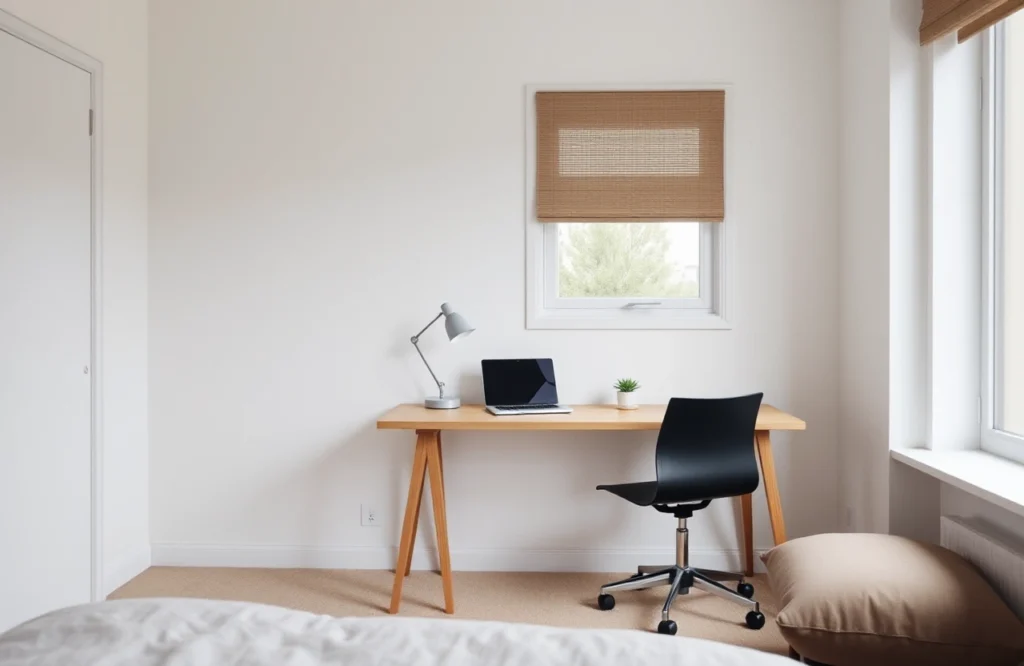
Creating a physical boundary between your job and your home life prevents mental overlap. Avoid working from your bed or couch, as these areas are linked to relaxation and sleep. Instead, pick a specific corner or room that serves only as your office. Even a small desk in a bedroom works if it remains separate from your resting area. Equip the zone with:
- Ergonomic seating to prevent physical fatigue and back pain.
- Proper lighting, preferably natural light or a dedicated desk lamp, to reduce eye strain.
- A clear surface free of household clutter, mail, or dishes.
Leaving this zone at the end of the day helps you feel that the workday is over, and closing the laptop or putting away your equipment makes the transition clearer.
Build a Structured Daily Schedule

A consistent routine prevents the day from blurring into one long shift. Start with a morning ritual that signals to your brain that it is time to work, like a short walk or a specific coffee habit. Set strict start and end times to avoid burnout.
Organize your day using time-blocking to group similar activities together:
- Deep work: Reserve the first few hours for complex tasks requiring high concentration.
- Communication: Set specific windows for emails and messages to avoid constant interruptions.
- Admin: Group low-energy tasks like filing or scheduling at the end of the day.
If you do not use the Pomodoro Technique described below, take a short break at least every ninety minutes. A five-minute stretch or a glass of water keeps you alert.
Eliminate Common Home Distractions
Distractions at home typically stem from digital noise and household activity. To manage digital interruptions, disable all non-essential notifications on your computer and phone. Place your mobile device in a separate room or a drawer during deep work sessions to remove the temptation of mindless scrolling.
For household interruptions, establish clear boundaries with the people you live with. Use a visual signal to indicate when you are unavailable:
- Closed door: no interruptions unless it is an emergency.
- Headphones on: I am concentrating and cannot talk.
- Note on the door: I am on a call.
Avoid the urge to tackle chores like laundry or dishes during work hours. Save them for your breaks or for after work.
Separate Professional and Personal Life
Maintaining a mental boundary is as critical as the physical one. End each workday with a short shutdown ritual. This prevents work stress from leaking into your evening and ensures you can fully disconnect.
- Change your clothes. Switching from loungewear to work attire and back again creates a psychological trigger for your brain.
- Create a fake commute. A ten-minute walk or a quick stretch session replaces the physical transition of driving to an office.
- Perform a digital sweep. Close all work tabs, write a short list for tomorrow, shut down your laptop, and move it out of sight.
Avoid checking emails on your phone after hours. Once you log off, the professional day is over. This discipline protects your recovery time and prevents burnout.
Apply Proven Time Management Frameworks
To maintain productivity, use systems that manage your energy and priorities. The Pomodoro Technique is effective for tasks that feel overwhelming. Set a timer for 25 minutes of focused work, followed by a 5-minute break. This rhythm prevents mental fatigue.
For prioritization, use the Eisenhower Matrix to categorize tasks:
- Urgent and Important: Do these immediately.
- Important but Not Urgent: Schedule these for later.
- Urgent but Not Important: Delegate these if possible.
- Neither: Remove these from your list.
Finally, apply the Eat the Frog method by completing your most difficult or unpleasant task first thing in the morning. This removes the psychological burden of procrastination and makes the rest of the day feel lighter.
This text was generated by ClipAI and the pictures by ClipCloud, to show how the programs work. Pages without this note are written by people.
 English
 RU_RU